


How to push a baby out fast

You can shorten the pushing phase of labor by preparing ahead of time. Mobility exercises and massage techniques can help prepare your pelvic floor for birth and shorten the pushing phase. Your pelvis needs to be mobile in order for the baby to descend through it more easily, and your floor needs to be able to relax and stretch in order for a vaginal delivery to occur. Your position and how well you coordinate pushing may also affect how quickly your baby comes out. In this post, I’m going to give you a few of my favorite tips and tricks for how to push a baby out fast.
How a mobile pelvis can help you push a baby out fast
Postural changes and decreased activity during pregnancy due to fatigue or pain can both reduce pelvic mobility.
During the first stage of labor, the uterus contracts to dilate the cervix and prepare for the pushing (second) phase of labor. The contact from your baby’s head down onto the cervix during a contraction helps the cervix dilate. Your baby needs to make seven cardinal movements as he or she descends down through the pelvis. A mobile pelvis will create more room in the pelvis for the baby to make these movements, and therefore your baby’s head will be able to more effectively put pressure on the cervix to help it dilate.
Working with a pelvic floor therapist throughout your pregnancy can be helpful to maintain pelvic mobility throughout pregnancy and improve your ability to push a baby out fast.
Closed-Glottis vs Open Glottis Pushing
There are two types of pushing: closed-glottis and open-glottis. Closed-glottis pushing is when you hold your breath and bear down as hard as possible. This is the type of pushing you typically see in movies when a woman is in labor. It is also how you’ll likely be coached to push if you are having difficulty coordinating your pushing. Because of the fascial connections between your glottis (throat) and pelvic floor, when your throat is closed, your pelvic floor is also closed. While closed-glottis pushing often generates more pressure down and therefore can help you push your baby out fast, it can be more traumatic on the pelvic floor.
In open-glottis pushing, your throat (and therefore your pelvic floor) stay open and relaxed. This type of pushing can be more difficult to coordinate, especially if you have an epidural and/or have not practiced before. Open-glottis pushing is, however, more pelvic floor-friendly, as the pelvic floor is relaxed and able to open more effectively.
Why you might not want to push a baby out fast
While it might sound ideal to push a baby out quickly, a short pushing stage can have a negative impact on your pelvic floor health. Because the pelvic floor has less time to relax and open, a short pushing phase may increase the likelihood of tearing and/or prolapse.
Positions to push a baby out fast
If your labor is stalled, gravity can help. Laboring or pushing in a seated, squatting, or standing position
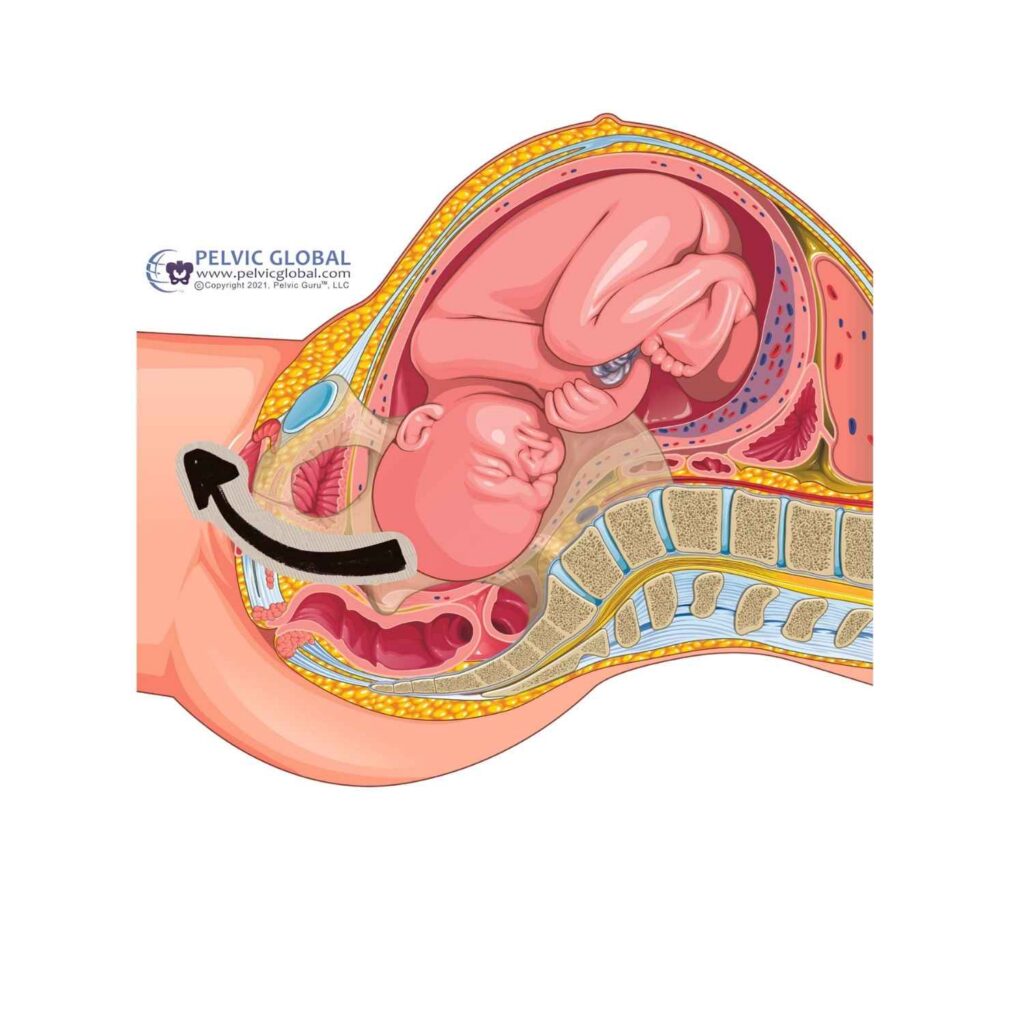
As you can see, in the supine (laying on your back) position, the baby has to turn up around the pubic bone in order to fully descend out of the pelvis. When you are positioned on your back, it can also prevent the sacrum and tailbone from being able to move, which can contribute to less room in the pelvis.
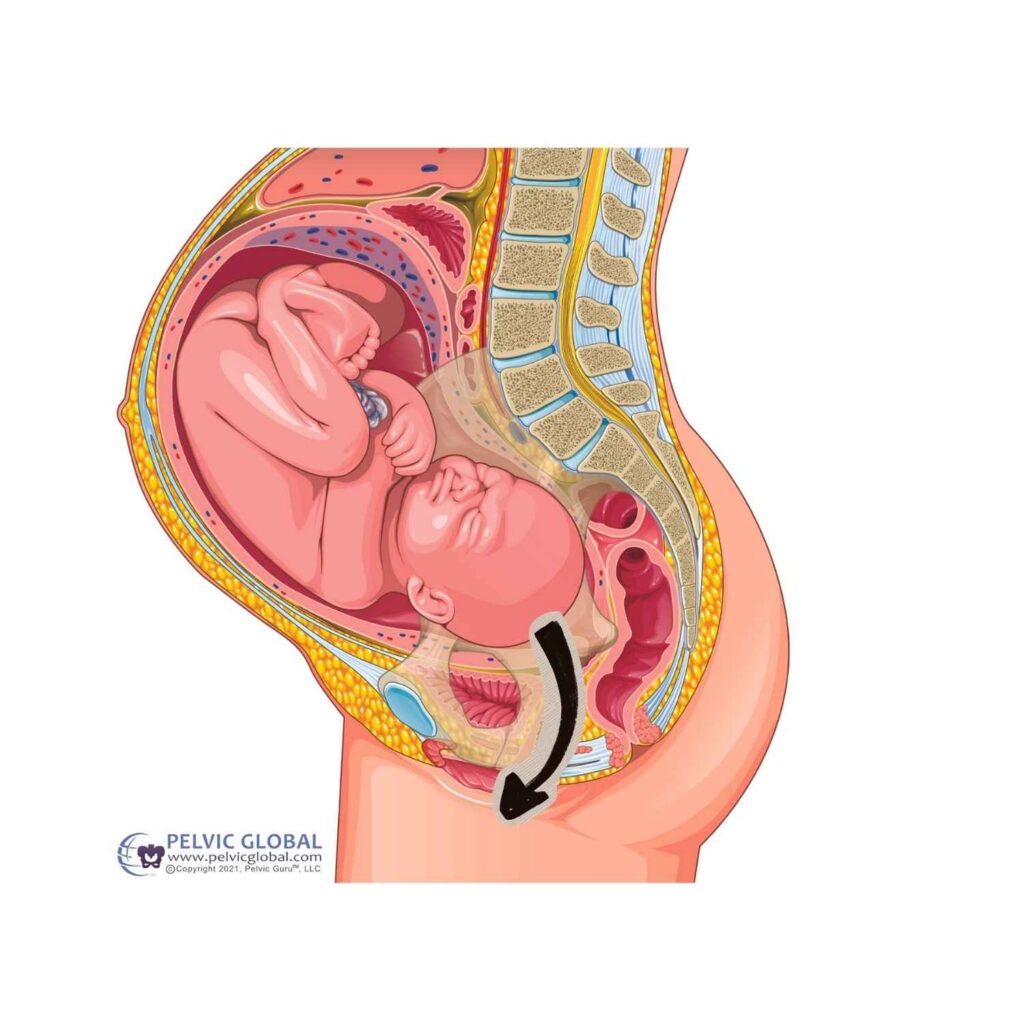
In contrast, in a standing or squatting position, the sacrum and tailbone are able to move freely, creating more space in the pelvis for the baby to move down through the pelvis. Gravity is also able to assist the baby’s movements around the pubic bone
A note on the fetal ejection reflex
The fetal ejection reflex occurs when the uterus contracts so forcefully that a mother does not have to push voluntarily. This reflex does not occur with every birth, and I never recommend relying on it to happen
The importance of practicing how to push a baby out
Many women struggle to push a baby out because they never practiced pushing while they were pregnant. You wouldn’t show up to a marathon without having run before, so why are you showing up to the hospital without practicing pushing? During pregnancy, your body changes so much to accommodate your growing baby; often, women get disconnected from their pelvic floor. If you can’t coordinate what you are doing while in a calm environment, imagine how difficult it is to learn a new skill while you are mentally going through so many other emotions. This is even more true for moms who receive an epidural because they can’t always feel the urges from their body to push and therefore have a difficult time coordinating how to push a baby out fast.
When to see a pelvic floor therapist
If you have never given birth vaginally before, or pushed for more than 2 hours with your previous vaginal birth, it would be best to consult with a pelvic floor therapist to determine your ability to coordinate pushing. Seeing a pelvic floor therapist to prepare for birth can not only teach you how to push a baby out fast, but it is also associated with decreased risk of tearing and fewer postpartum complications.
Where you can find a pelvic floor therapist who can help you learn how to push a baby out fast
At Strength & Dignity Wellness, we offer Birth Preparation appointments for moms in Central Texas in their third trimester that include pelvic mobility exercises, massage techniques, and an internal exam with guided practice during the session to teach you how to push a baby out fast.


Comments will load here
Be the first to comment