


Exercises for Tailbone Pain
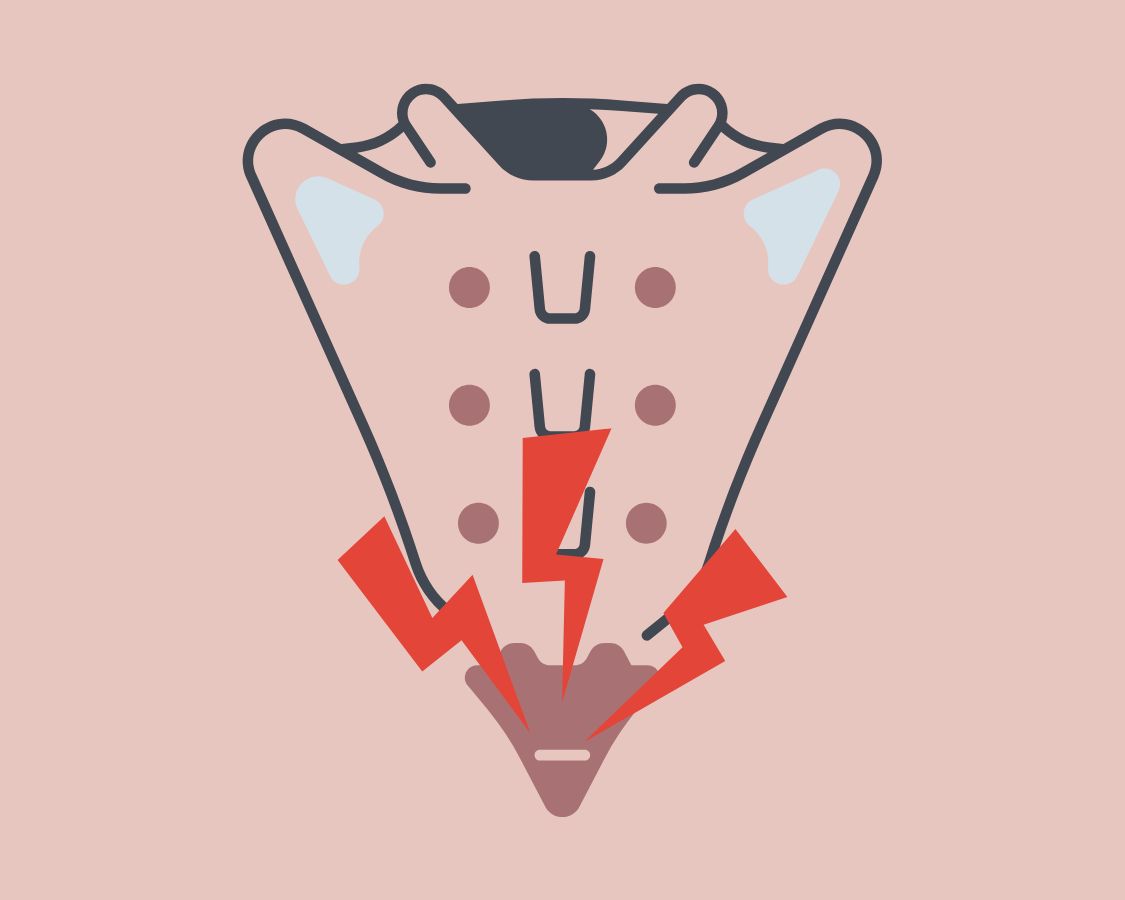
Tailbone pain is commonly treated through conservative measures. Because of the extensive amount of muscle and ligamentous attachments to your tailbone, exercises are an important component of treatment for tailbone pain. In this post, I am going to give you five of my favorite exercises for tailbone pain.
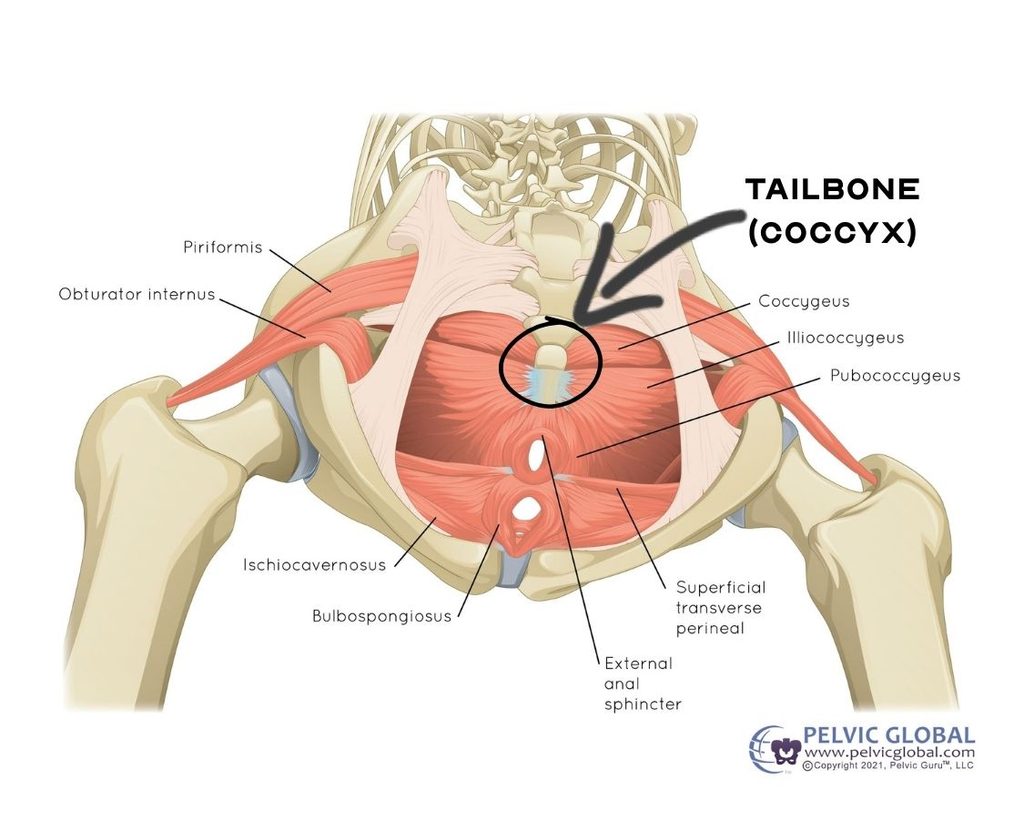
Where is your tailbone?
Many people are surprised by how low the tailbone actually is. Your tailbone is a group of 3-5 fused vertebrae at the very bottom of your spine. You can feel the tip of your tailbone by placing your finger just above your butthole in your buttcrack. If you have pain above this area, the exercises below may still help, but you are likely dealing with SI joint pain or low back pain, which may have a different root cause; therefore, other exercises may be more effective. If you are unsure what is causing your pain, it is best to consult with your pelvic floor therapist to evaluate what is causing your symptoms.
How do exercises help relieve tailbone pain?
When looking for exercises to relieve tailbone pain, look for exercises that not only directly influence the pelvic floor and its attachment to your tailbone, but also indirectly influence your pelvic floor’s ability to relax. Treating the full body through corrective exercises can improve posture and muscle length-tension relationships.
For example, a full 360-degree breath uses the diaphragm (under your rib cage) to help the pelvic floor lengthen and relax. This means that improving mobility through your rib cage and thoracic spine can improve diaphragm function, which allows the pelvic floor to relax more effectively and takes pressure off the tailbone.
Likewise, building both length and strength in your glutes reduces glute-clenching posture and can reduce posterior pelvic floor tension around the tailbone.
Why Kegel exercises should be avoided if you are having tailbone pain
Pelvic floor tension is a common cause of tailbone pain. Repetitive Kegel exercises can increase pelvic floor tension, increasing strain on the tailbone. A good rehabilitation program for tailbone pain should consist of exercises that improve the pelvic floor’s ability to relax, lengthen, and reduce pulling on the tailbone.
Five exercises for tailbone pain
Inverted Breathing with one knee on a yoga block
When performing this exercise, it is important to focus on breathing into your butthole. This creates a gentle massage-like motion with your breath to relax your pelvic floor. Adding the yoga block on one side will increase the stretch on the elevated side. Make sure the majority of your weight is shifted onto the yoga block to increase the stretch.
Asymmetrical Cat Cow
Working on spinal and pelvic mobility is an important component of relieving tension around the tailbone. Adding a yoga block under one leg increases the stretch on the elevated side. Make sure your weight is evenly distributed between both legs to get the most out of it. If one side feels tighter than the other, do a few extra repetitions on the more restrictive side.
Pigeon Pose
Finding length in your glutes and deep hip rotators is an important part of lengthening your pelvic floor muscles. If your glutes and deep hip rotators are consistently tight, it can reduce your pelvic floor’s ability to relax.
Pelvic Outlet Rockbacks w/ Breathing
Your tailbone is at the bottom of your pelvis – or pelvic outlet. This exercise helps the bottom of the pelvis open, putting the pelvic floor muscles in a slightly stretched position. This gentle stretch can relieve tailbone pain. Focusing on breathing down to your tailbone will provide a deeper stretch.
Open Books
Improving mobility throughout your full spine can relieve unwanted tension around your tailbone. For added benefit, take a deep breath all the way down to your pelvic floor while holding the stretch. This exercise also improves thoracic mobility, allowing the diaphragm to work more effectively and therefore reducing pelvic floor tension.
When to see a pelvic floor therapist:
If you have tailbone pain, or something that feels like tailbone pain, it’s best to get a full evaluation from a pelvic floor therapist. During the evaluation, your pelvic floor therapist can determine postural changes and movement patterns may be contributing to your pain and prescribe exercises specific to your symptoms.
Throughout the course of your treatment, your pelvic floor therapist may perform soft tissue work (or teach you how to do it at home) in addition to looking at how you breathe, your rib cage mobility, how you engage your deep core muscles, how well your glutes engage, if you are able to perform a hip hinge without compensations, and whether your feet provide adequate support during standing activities. It is important to find a pelvic floor therapist that looks at your full body, not just your pelvis, in order to have long-lasting relief.
Where you can find a pelvic floor therapist who can prescribe exercises for tailbone pain
At Strength & Dignity Wellness, we offer pelvic floor therapy services in Belton, Cedar Park, and virtually throughout Texas. We take a full-body, systemic approach to your care. By using a combination of corrective exercises, manual therapy (internal and external), and lifestyle modifications, we help women find lasting relief from tailbone pain.


Comments will load here
Be the first to comment