


Birth Preferences to Consider
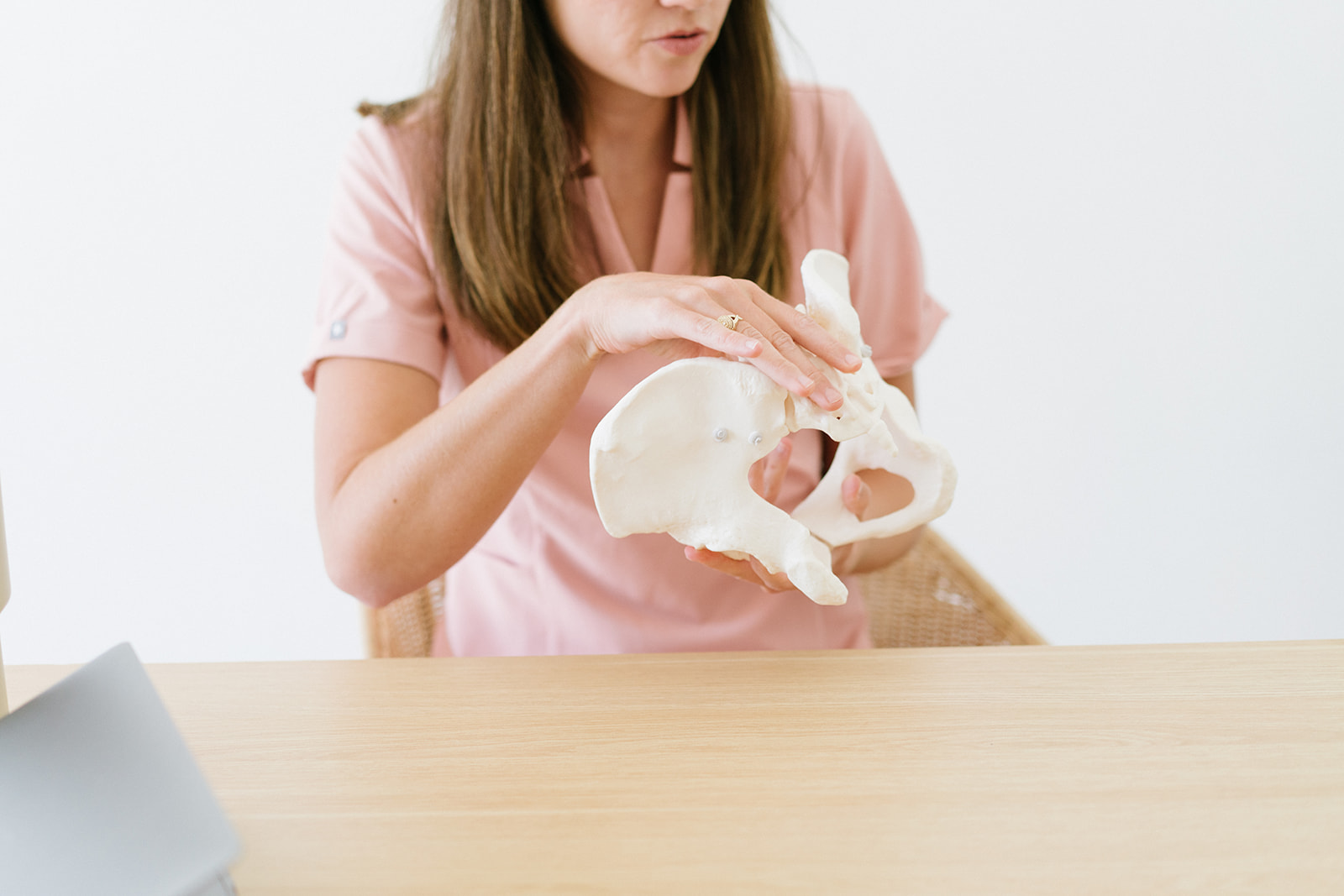
Birth Preferences to Consider: A Pelvic Floor Therapist’s Guide to Labor & Delivery
Preparing for birth is about more than choosing a hospital bag or nursery decor—it’s about understanding how your body works during labor so you can feel confident, supported, and empowered. As pelvic floor therapists serving Cedar Park, Georgetown, Belton, and virtual clients across Texas, we help expecting moms create birth preferences that support smoother labor, reduced tearing risk, and a more comfortable postpartum recovery.
Below are key birth preferences to consider through a pelvic-floor lens.
1. Preferred Positions for Labor & Pushing
Your pelvic floor relaxes best—and your pelvis opens widest—when your body is upright, forward-leaning, or asymmetrical. These positions encourage baby’s descent and reduce perineal strain.
Helpful Position Options
- Hands-and-knees: Great for reducing back pain and helping baby rotate.
- Side-lying: Softens the pelvic floor; ideal with or without an epidural.
- Supported squat or birth stool: Uses gravity to assist descent and supports instinctive pushing.
- Standing or leaning forward: Allows movement and reduces pelvic gripping.
- Asymmetrical positions: (lunges, one foot up) help create space and encourage rotation.
- Semi-reclined (modified): Useful when monitoring is required—keep knees wide and pelvis untucked.
Knowing how to use these positions—and when—is something we practice with you during birth prep sessions.
2. Coaching & Pushing Preferences
How you push affects how your pelvic floor stretches and recovers.
Instinctive (Physiologic) Pushing
- You follow your own urge to push rather than pushing on command.
- Reduces pelvic floor strain, supports gradual stretching, and feels more intuitive.
Directed (Coached) Pushing
- Helpful if sensation is reduced (such as with an epidural).
- Works best when gentle and individualized—not rigid 10-second counts.
Breathing Preferences
- Open-glottis pushing (exhaling while pushing) reduces pelvic pressure.
- Slow breathing during crowning helps tissues stretch more gradually.
You can request:
- “Instinctive pushing unless medically necessary to change.”
- “Gentle guidance, not prolonged breath-holding.”
- “Support slowing down the crowning phase.”
3. Perineal Support Options
Your perineum naturally stretches during birth, but thoughtful support can make this process more comfortable.
Helpful Options
- Warm compresses: Reduce tension and soothe the stretching sensation.
- Gentle, hands-on support: Slows crowning for safer, gradual stretching.
- Prenatal perineal massage: Improves elasticity and helps with relaxation.
- Breath-led slowing: Breathing your baby down reduces tearing risk.
Approaches to Avoid
- Aggressive manual stretching
- Routine episiotomy (best reserved only for medical necessity)
Include preferences like:
- “Warm compresses and gentle support preferred.”
- “Avoid episiotomy unless absolutely necessary.”
4. Pain Management & Pelvic Floor Tension
Pain, fear, and stress can cause the pelvic floor to tighten—making contractions feel sharper and pushing more difficult. Pain management choices often influence pelvic floor relaxation.
How Options Affect Tension
- Epidural: Reduces pain → pelvic floor often relaxes more fully.
- Nitrous oxide: Decreases anxiety → reduces muscle guarding.
- Movement & breathwork: Calm the nervous system → encourage softening.
- Warm water immersion: Relieves pressure and muscle tension.
- Counterpressure or massage: Helps override pain signals.
During birth prep, we teach relaxation strategies that pair well with any pain management choice.
5. Instrument-Assisted Delivery (Vacuum or Forceps)
Vacuum or forceps may be used if baby needs help descending. While often necessary and safe, they can increase strain on the pelvic floor.
Pelvic-Floor–Protective Preferences
- Request shared decision-making if time allows.
- Ask to try position changes first (hands-and-knees, lunges, side-lying).
- Express preference between vacuum and forceps if both are options.
- Request supportive measures (warm compresses, lubrication, slow crowning).
Postpartum pelvic floor therapy is especially helpful after an assisted delivery.
6. Immediate Postpartum Pelvic Care
Your pelvic floor needs time, softness, and rest to heal well.
Prioritize Rest
Follow the 5–5–5 guideline if possible:
- 5 days in the bed
- 5 days on the bed
- 5 days near the bed
This reduces pressure on healing tissues and supports long-term pelvic health.
Supportive Early Care
- Ice for swelling (first 24–48 hours)
- Warm sitz baths after swelling decreases
- Gentle breathing—not Kegels yet
- Side-lying for feeding to minimize pressure
- Minimal lifting, prolonged standing, or hosting
Plan a Pelvic Floor Check-In
Early postpartum therapy can help with:
- Pain or tightness
- Leakage
- Pelvic heaviness
- Diastasis recti
- C-section scar mobility
- Return-to-exercise guidance
How Pelvic Floor Therapy Helps You Prepare for Birth
Our birth prep appointments (in Cedar Park, Georgetown, Belton, and virtually anywhere in Texas) include:
✔️ Pelvic floor assessment
✔️ Labor + pushing position practice
✔️ Perineal massage instruction
✔️ Breathwork training
✔️ Pushing preparation
✔️ Partner support strategies
✔️ Personalized birth preferences review
You’ll leave feeling more confident, grounded, and prepared for birth and recovery.
Ready to Prepare for Birth With a Pelvic Floor Therapist?
If you want to feel empowered and supported as you approach birth, we’re here to help.
Book your birth preparation appointment at our Cedar Park, Georgetown, or Belton clinic—or virtually anywhere in Texas.
Prefer online support from the comfort of your home? Check out the Release for Labor Program on the Raise with Strength App
Your pelvic floor deserves care that honors your body’s wisdom and your birth experience.


Comments will load here
Be the first to comment