


Supporting Perineal Healing After Birth
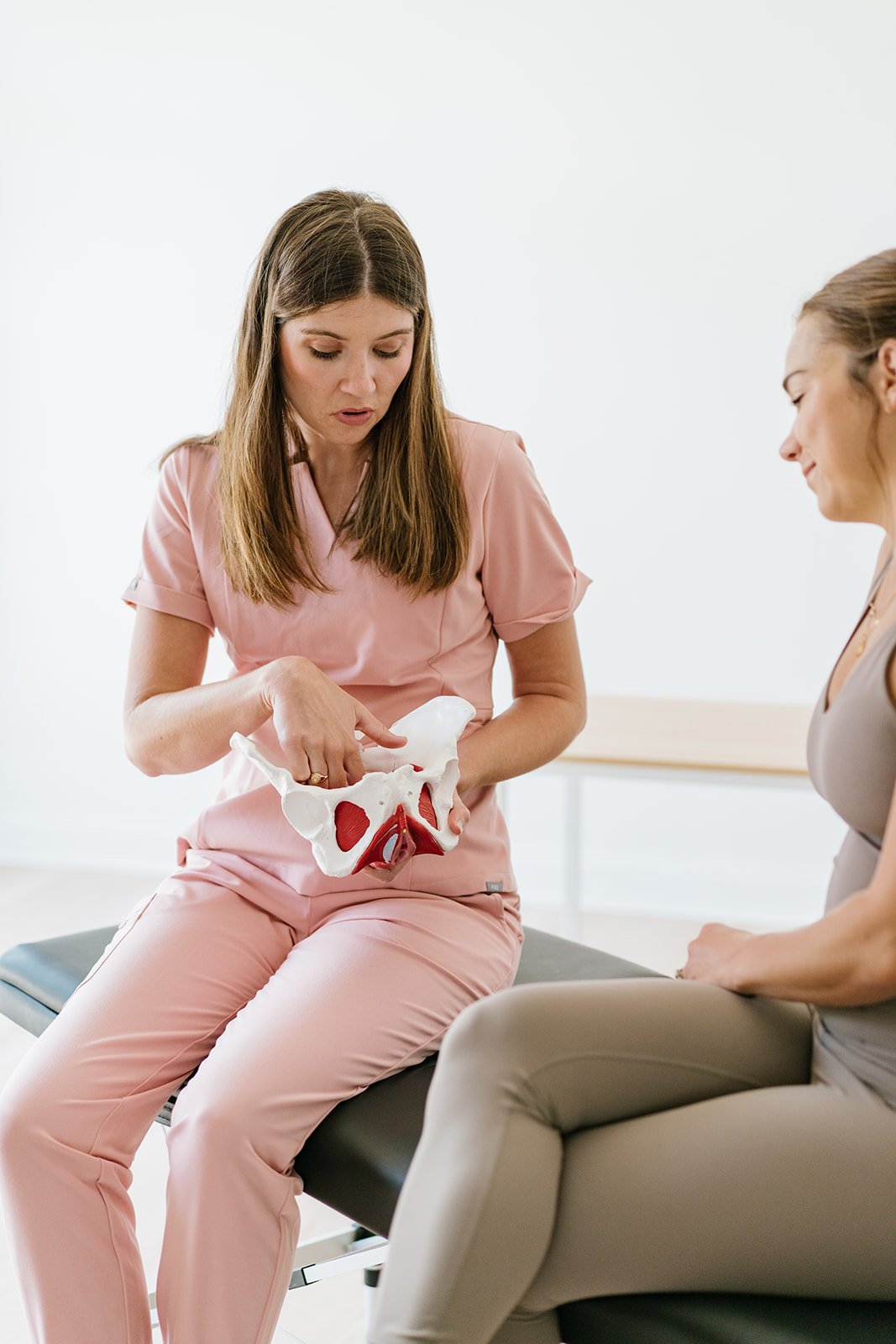
Perineal discomfort after childbirth is common—but persistent pain is not something you have to “just live with.” As a pelvic floor therapist, I see many postpartum moms who were told healing simply takes time, only to discover later that targeted care could have helped much sooner.
Whether you had a vaginal tear, episiotomy, stitches, or general perineal soreness, intentional postpartum care can significantly improve comfort, healing, and long-term pelvic floor function. Below are evidence-informed strategies to support perineal healing after birth—and guidance on when to seek pelvic floor therapy.
Why Perineal Healing Matters for Pelvic Floor Health
The perineum plays a critical role in pelvic floor support, continence, sexual function, and core stability. Trauma to this area can contribute to:
- Ongoing pelvic pain
- Pain with sitting or intercourse
- Urinary or bowel symptoms
- Pelvic floor muscle tension or weakness
Early, supportive care helps optimize tissue healing and reduces the risk of chronic pelvic floor dysfunction.
1. Ice Packs for Perineal Pain and Swelling (First 72 Hours Postpartum)
Best for: Immediate postpartum recovery
Cold therapy helps reduce inflammation, swelling, and nerve sensitivity following vaginal birth.
Pelvic floor tips:
- Use perineal ice packs or frozen postpartum pads
- Apply for 10–20 minutes at a time
- Always use a barrier to protect the skin
Ice is most beneficial in the first few days postpartum before transitioning to warmth.
2. Sitz Baths to Promote Blood Flow and Tissue Healing
Best for: Subacute healing phase (after initial swelling decreases)
Warm sitz baths can improve circulation to healing perineal tissue and reduce muscle guarding in the pelvic floor.
How to use:
- Soak for 10–15 minutes, 1–2 times daily
- Plain warm water is usually sufficient
- Talk to your provider about herbs that you can add to your sitz bath if desired
3. Perineal Sprays and Balms for Targeted Relief
Postpartum perineal sprays and balms often contain soothing ingredients like witch hazel, calendula, or aloe.
Pelvic floor guidance:
- Choose fragrance-free, postpartum-specific products
- Apply after toileting or sitz baths
- Stop use if irritation develops
These products can improve comfort but should not replace assessment if pain persists.
4. Tucks Pads (Witch Hazel Pads) for Cooling Support
Witch hazel pads are widely used postpartum to reduce swelling and irritation.
Use tips:
- Place directly on your postpartum pad
- Helpful after bathroom use or prolonged sitting
- Safe for frequent use
5. Magnesium for Pelvic Floor Relaxation and Bowel Health
Magnesium can support postpartum recovery by:
- Promoting muscle relaxation (including pelvic floor muscles)
- Supporting bowel regularity and reducing straining
Forms to consider:
- Magnesium citrate is a great option for loosening stools – especially when dealing with constipation
- Magnesium glycinate a gentler alternative if you are less prone
Constipation and straining can delay perineal healing, so bowel support is essential. Check out our Fullscript Dispensary for our favorite supplements.
6. Hydration: A Foundation for Tissue Repair
Adequate hydration supports:
- Tissue healing and circulation
- Softer stools and reduced pelvic strain
- Overall postpartum recovery
Aim for steady hydration throughout the day, especially if breastfeeding. Adding electrolytes like LMNT can provided additional hydration support.
7. Nutrition for Perineal and Pelvic Floor Healing
Healing tissues require adequate fuel.
Key nutrients:
- Protein for tissue repair
- Fiber to prevent constipation
- Healthy fats to reduce inflammation
- Iron-rich foods after blood loss
Warm, nutrient-dense meals are often easier to digest early postpartum.
When Perineal Pain Is Not Normal: Pelvic Floor PT Can Help
While some discomfort is expected early postpartum, ongoing perineal or pelvic pain beyond 6 weeks postpartum is not normal and deserves evaluation.
You may benefit from pelvic floor physical therapy if you’re experiencing:
- Persistent perineal pain or pressure
- Pain with sitting, exercise, or intercourse
- Pelvic floor tightness or heaviness
- Difficulty returning to daily activities
Pelvic floor physical therapy focuses on:
- Scar and tissue mobility
- Pelvic floor muscle coordination and strength
- Pain reduction
- Safe return to activity and exercise
Schedule a Pelvic Floor Physical Therapy Appointment in Central Texas
If pelvic pain, perineal discomfort, or postpartum symptoms persist beyond 6 weeks, you don’t have to wait it out.
Strength & Dignity Wellness offers one-on-one pelvic floor physical therapy at our clinic locations in:
- Georgetown, TX
- Cedar Park, TX
- Belton, TX
Our licensed pelvic floor therapists provide individualized care to support healing, restore function, and help you feel confident in your postpartum body.
Reach out today to schedule a pelvic floor PT evaluation and get the support your body deserves.
Online Postpartum Pelvic Floor Support
If you’re not local to our Central Texas clinics—or if you’re looking for a guided, at-home postpartum pelvic floor recovery program—you still have access to expert care.
Raise with Strength – Reconnect Postpartum is an online, pelvic floor physical therapist–designed program created to support:
- Postpartum pelvic floor and core recovery
- Pelvic pain, pressure, and muscle tension
- Safe return to movement and exercise postpartum
This program is ideal for postpartum parents seeking a DIY pelvic floor rehab option with professional guidance, education, and structured progressions.
Sign up for Raise with Strength – Reconnect Postpartum for expert-led postpartum pelvic floor support—available anywhere.


Comments will load here
Be the first to comment