


5 Essential Exercises to Prevent Severe Diastasis During Pregnancy
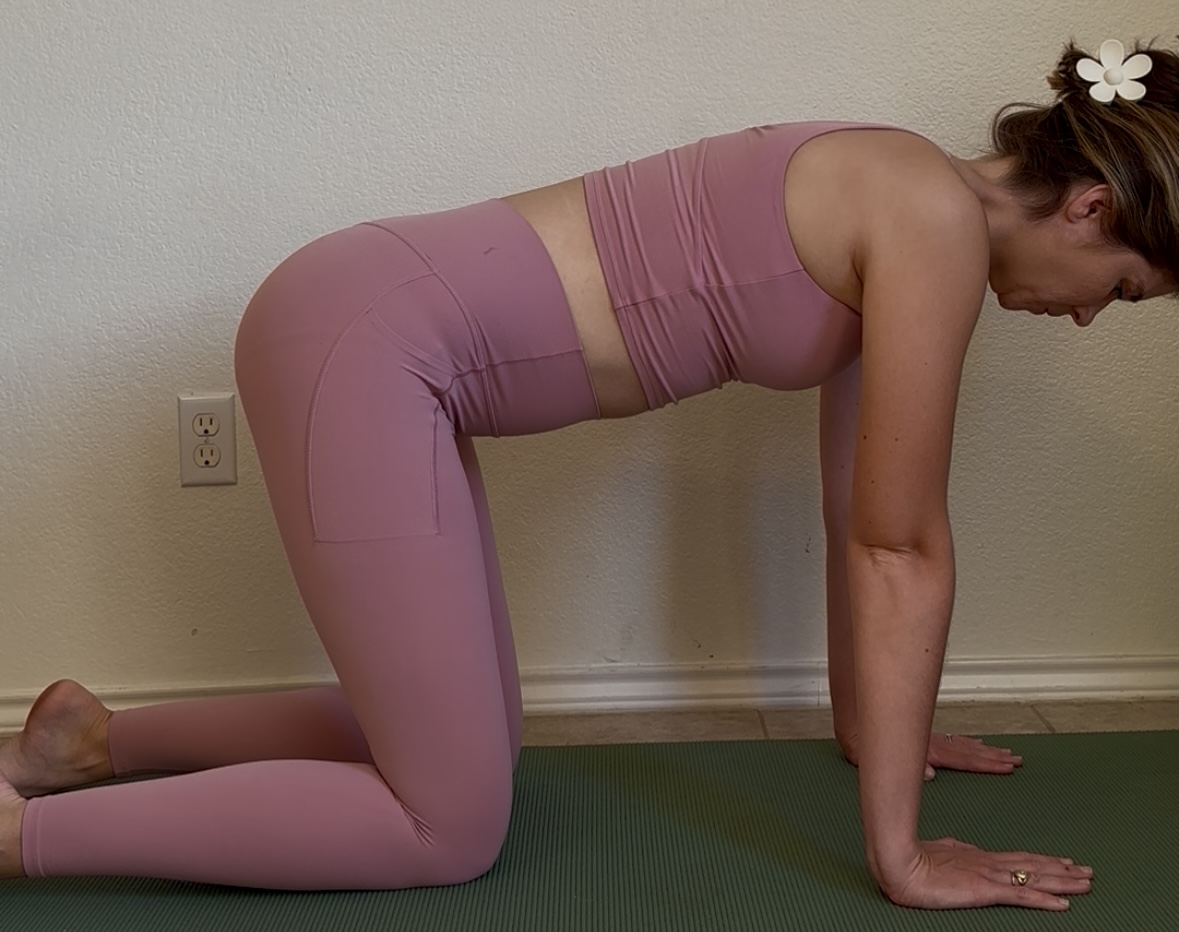
Diastasis recti, or the separation of the abdominal muscles along the midline, is common in pregnancy. Strengthening the deep core and improving rib and lateral mobility can help protect your abdominal wall and prevent severe separation. Here are five exercises that combine both approaches.
1. Quadruped Transverse Abdominal (TA) Activation – “Abdominal Bracing”
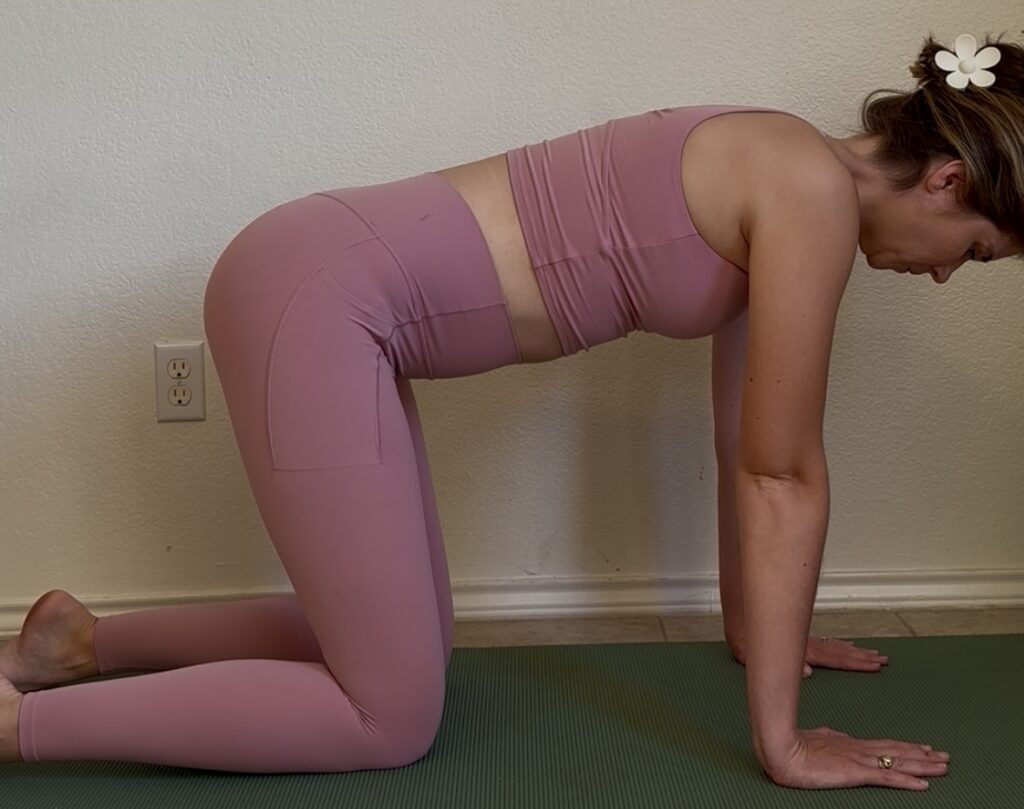
Purpose: Strengthens the deep core muscles that act as a natural corset for your abdomen.
How to do it:
- Start on all fours, wrists under shoulders, knees under hips.
- Place your fingertips just inside your hip bones.
- Inhale deeply, then gently exhale as you draw your belly button toward your spine without holding your breath or tucking your pelvis.
- Hold for 5–10 seconds, then release.
- Repeat 10–12 times, gradually increasing hold time as tolerated.
Tip: Avoid crunching or pressing down with your ribs; focus on gentle internal lifting.
2. Quadruped Thoracic Rotations (“Thread the Needle”)
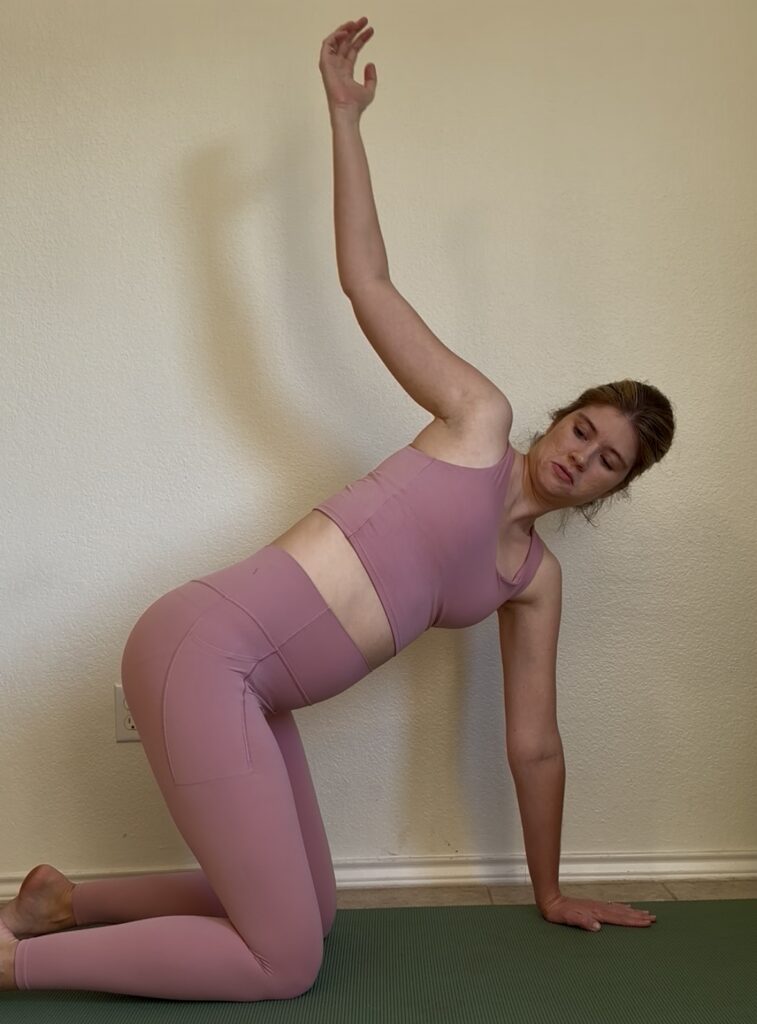
Purpose: Improves thoracic spine and rib mobility while engaging the core.
How to do it:
- Start on all fours, wrists under shoulders, knees under hips.
- Place your right hand behind your head.
- Inhale as you rotate your upper body to open your chest toward the ceiling, exhale as you thread your right elbow under your torso toward the left side.
- Return to the starting position and repeat 8–10 times per side.
Tip: Keep your hips stable and avoid collapsing your lower back. Focus on slow, controlled movement.
3. Serratus Wall Slides

Purpose: Mobilizes the ribs and strengthens the serratus anterior to support lateral core stability.
How to do it:
- Stand facing a wall, forearms resting on the wall at shoulder height. (you can use a towel under your arms to help them slide easier
- Draw your belly button gently toward your spine.
- Slowly slide your forearms upward along the wall as you inhale, feeling your rib cage expand.
- Exhale and return to the starting position.
- Repeat 8–12 times.
Tip: Avoid shrugging your shoulders; focus on scapular movement and rib expansion.
4. Seated Side Stretch with Core Engagement
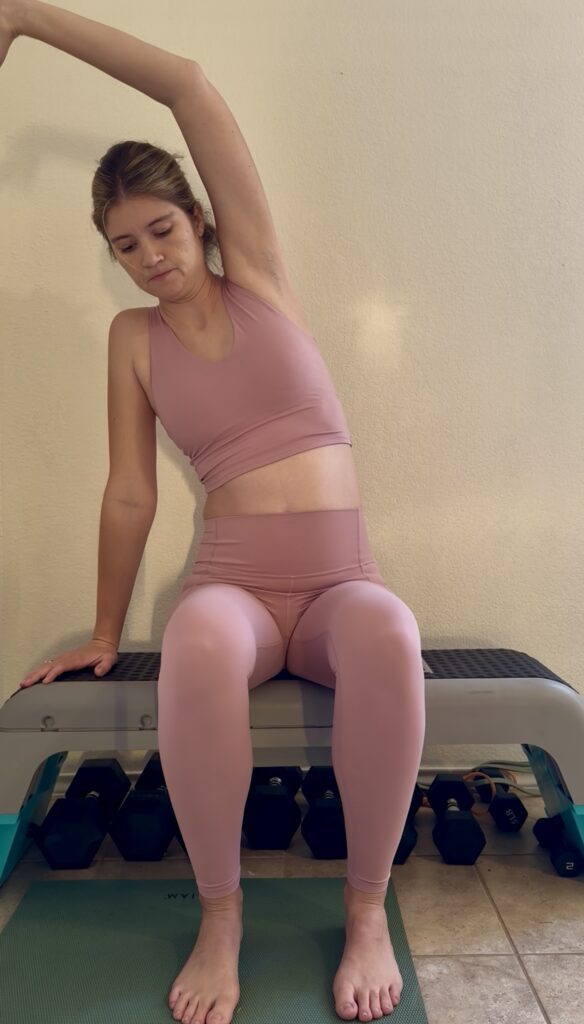
Purpose: Improves lateral abdominal and rib mobility.
How to do it:
- Sit cross-legged or on a chair with feet flat.
- Inhale to lengthen your spine.
- Exhale as you reach one arm overhead and gently bend to the opposite side.
- Hold 5–10 seconds, then return to center.
- Repeat 3–5 times per side.
Tip: Keep ribs stacked over your hips; do not collapse forward.
5. Wall-Assisted Lateral Breathing Stretch

Purpose: Expands the rib cage laterally while engaging the core.
How to do it:
- Stand sideways to a wall, feet hip-width apart.
- Place the hand closest to the wall above your head, palm flat against the wall.
- Exhale and gently draw your belly in, then inhale as you reach your ribs slightly toward the ceiling, feeling lateral expansion.
- Hold 5–10 seconds and repeat 5–6 times per side.
Tip: Focus on slow, controlled breathing and avoid overarching your back.
Additional Tips for Preventing Severe Diastasis
- Avoid traditional crunches or sit-ups.
- Move laterally, rotate gently, and maintain deep core engagement during daily activities.
- Listen to your body—if you notice bulging along your midline, seek guidance from a pelvic floor PT.


Comments will load here
Be the first to comment