


How Your Anatomy Scan Can Affect Exercise Guidelines
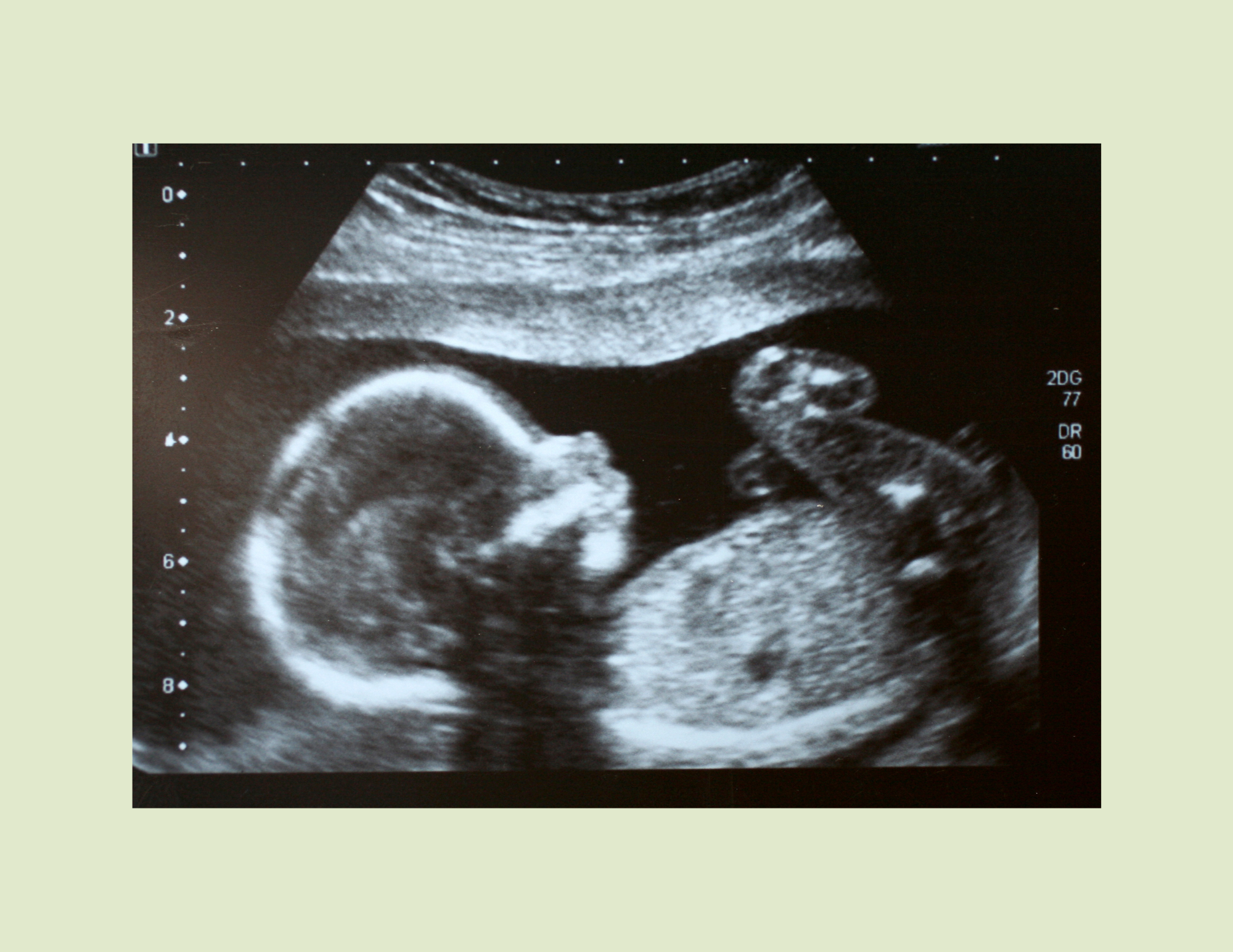
As a pelvic floor therapist specializing in pregnancy care, one of the questions I hear often is:
“Do I need to change my workouts after my anatomy scan?”
The short answer: sometimes, yes. Your 20-week anatomy scan doesn’t just give you a glimpse of your growing baby—it also provides important information about your placenta, cervix, amniotic fluid, and baby’s growth. These findings can help your healthcare team and your pelvic floor therapist adjust your exercise plan to keep both you and baby safe.
Why the Anatomy Scan Matters for Exercise
The anatomy scan (usually performed between 18–22 weeks) is designed to check:
- Baby’s growth and development
- The position of your placenta
- Cervical length
- Amniotic fluid levels
- Uterine and pelvic structures
Each of these findings can guide whether you continue with your current workout plan or make a few modifications.
Common Anatomy Scan Findings That May Change Exercise
1. Placenta Previa or Low-Lying Placenta
If the placenta is covering or close to your cervix, your doctor may recommend avoiding:
- High-impact exercise
- Jumping or running
- Heavy lifting or straining
Safe alternatives: walking, gentle stretching, prenatal yoga, and light strength training with breathing strategies.
The good news: many low-lying placentas “move up” as pregnancy progresses.
2. Short Cervix or Cervical Insufficiency
A shorter cervix can increase the risk of preterm labor. In this case, your provider may advise against:
- High-intensity workouts
- Exercises that increase downward pressure
Safe alternatives: seated breathwork, functional strength (like sit-to-stand), and mobility exercises.
3. Amniotic Fluid Changes
- Oligohydramnios (low fluid): Focus on hydration and light-to-moderate exercise.
- Polyhydramnios (high fluid): Lower-impact movements can reduce discomfort and shortness of breath.
4. Fetal Growth Concerns
If your baby is measuring small (intrauterine growth restriction / IUGR) or has certain congenital findings, exercise intensity may need to be scaled back. Gentle, controlled movements can still support your core, pelvic floor, and overall health.
Safe Movement Is Still Possible
Hearing new recommendations after your anatomy scan can feel overwhelming, but remember:
✨ Most of the time, you do not need to stop exercising.
✨ Instead, we adapt your plan so it’s personalized to your body and your baby.
✨ Movement is still one of the best ways to support your core, pelvic floor, and overall well-being in pregnancy.
Final Thoughts
Your anatomy scan provides valuable information that helps guide safe exercise during pregnancy. If you’ve been told you have placenta previa, a short cervix, changes in amniotic fluid, or baby growth concerns, it doesn’t mean you can’t move. It simply means we’ll modify your workouts so you can stay strong and supported. As a pelvic floor therapist, my goal is to help you navigate these changes with confidence and clarity. If you’re unsure how to adjust your workouts after your scan, reach out—I’d love to help create a safe, effective plan that works for your pregnancy.


Comments will load here
Be the first to comment